
Introduction
Laptop motherboard repair demands a high level of technical expertise; common faults—such as failure to power on, system freezes, or charging issues—typically stem from power supply short circuits, damaged MOSFETs, or EC firmware anomalies. Effective repair necessitates the use of specialized equipment—including oscilloscopes, multimeters, and programmers—to facilitate precise diagnostics. By integrating the JCID V1S Pro for chip-level operations—supplemented by soldering iron work for component cleanup and the application of thermal paste for heat dissipation—technicians can achieve stable repairs and systematic fault isolation, thereby significantly enhancing both the accuracy and reliability of the repair process.
Preparation and Safety Checks Before Motherboard Repair
Proper training before starting any motherboard repair ensures the protection and accuracy of each individual. A clean ESD-safe mat, anti-static wristbands, and proper lighting are essential to protect you from accidental loss of sensitive connectors Technicians typically set their high-power soldering irons to 320°C-350°C for safe soldering guarantee, although hot christening extended at 3300°C–380°C
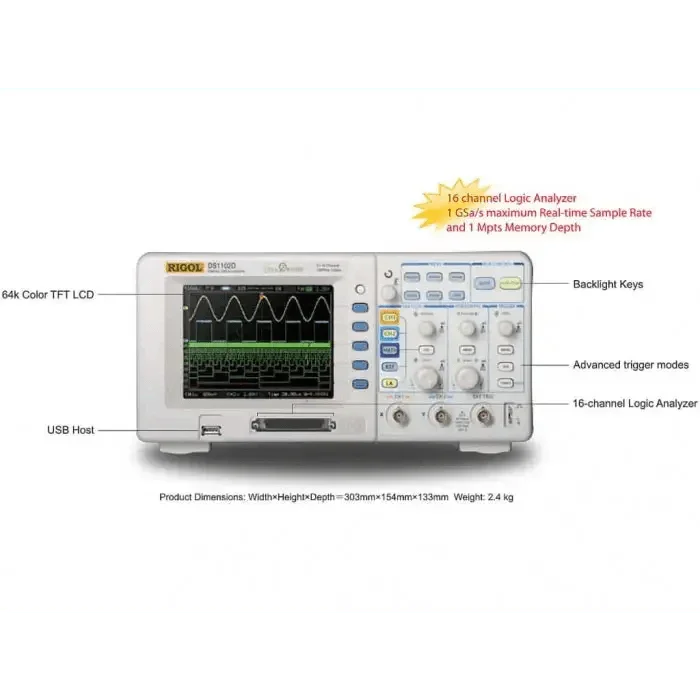
The stream option also serves a first-class function in education. No-easy flow is commonly used because it reduces residue and soldergo improves with current during heating. Micro ESD-safe tweezers, mainly curved and straight-tipped, are determined to cope with small SMD components without counteracting pads. At this stage, a digital oscilloscope is also arranged to observe waveform stability later in the diagnostic process, ensuring that signal tracking should be accurate from the beginning .
Disassembly and Initial Fault Observation
Disassembling your pc motherboard requires staying power and a structured process. Screws are carefully removed, and connectors with battery, display, and keyboard flex cables are disconnected using a plastic pudger to avoid quick circuits Once the panel is exposed, a microscopic inspection begins to detect burnt additives, moisture loss, or oxidized pads.
During initial checkouts, technicians often smell burnt-out ICs and look for discoloration near power ICs and capacitors. In addition, a digital oscilloscope at this stage can already be used to quickly check if a standby voltage rail is partially energized. Proper documentation of defective areas is necessary so that later steps such as reconstruction with high-energy soldering iron can be performed properly without unnecessary heating of healthy areas.
Multimeter Testing and Digital Oscilloscope Signal Tracing
The first technical step in the prognosis is to test a multimeter, where continuity resistance tests are performed on conductive power rails such as VCORE, 3.3V, 5V voltage, etc. If a rapid voltage is detected, the technician injects low voltage and searches for cryptographic parts. This saving makes it easier to remove unnecessary items.
A digital oscilloscope is then used to analyze signal transmission, especially clock signals and electrical suitability indicators from the motherboard controller This is where waveform equalization is important, as missing pulses often indicate EC or BIOS-grade problems. In synchronous recovery workflows similar to those found in diyfixtool versions, combining multimeter readings with oscilloscope tracking improves accuracy and reduces error-detection guesses .
electrical section diagnosis and high-electric soldering iron work
The power drain is one of the most not uncommon failure factors in laptop motherboards. MOSFETs, inductors, and PWM controllers are thoroughly tested under load conditions. If the MOSFET shorts, the use of a high power soldering iron set at about 350°C with special resin flow to ensure clean defrosting with out lifting pads removed
Hot air rework is often applied at 340°C–370°C with moderate airflow to remove power ICs safely. During this process, ESD-safe curved tweezers are used to lift components once the solder becomes shiny and fully molten. The Digital Oscilloscope is again helpful here to verify whether power rails stabilize after component replacement, ensuring that the repair is structurally sound before moving to firmware-level diagnostics.
EC Tile Programming with JCID V1S Pro Programmer
When the power circuits turn out to be healthy and the laptop also fails, the issue often lies in the Embedded Controller (EC). This is where the JCID V1S Pro programmer becomes important. It allows technicians to inspect, write, and restore EC firmware directly from the chip, restoring proper communication between motherboard components.
Before programming, the EC chip is carefully desoldered and cleaned by electricity using hot air controlled at about 330°C. The chip is then placed in the programmer for record check/write operations. This step is important because corrupt EF data can prevent power sequencing altogether. In advanced processing environments, firmware backups are always performed before burning new records to ensure a safe restore if everything goes wrong through reprogramming .
rebonding, temperature control and heat paste utility
In better motherboard recovery cases, BGA reballing for GPU or chipset chips may be necessary. This includes chip deposition, solder pad cleaning, use of fresh solder balls, and stencil alignment under controlled temperature A hot air station set at 360°C–380°C is commonly used, although the current ensures a clean heat exchange and prevents oxidation.
Proper temperature management after reassembly is critical. A shimmering layer of Thermal pastethermal paste is flippantly applied to the CPU and GPU surfaces to ensure green heat on the switch hiatsink. Even a properly treated panel without proper heat management can overheat and fail yet again. A digital oscilloscope can also verify static temperature-related damping indicators throughout voltage testing, ensuring long-term reliability .
Conclusion:
Chip-level repair of laptop motherboards integrates digital diagnostics, temperature-controlled soldering, and low-level firmware analysis. The standard workflow typically involves resistance measurement, EC programming, and micro-soldering repairs—procedures that demand a very high level of technical expertise. The repair process necessitates the use of specialized tools—such as oscilloscopes, the JCID V1S Pro, and temperature-controlled soldering irons—to achieve precise fault localization and rectification. By combining these techniques with proper thermal management and stress testing, the success rate of repairs can be significantly enhanced, thereby restoring severely damaged motherboards to stable operation and full functionality.
