
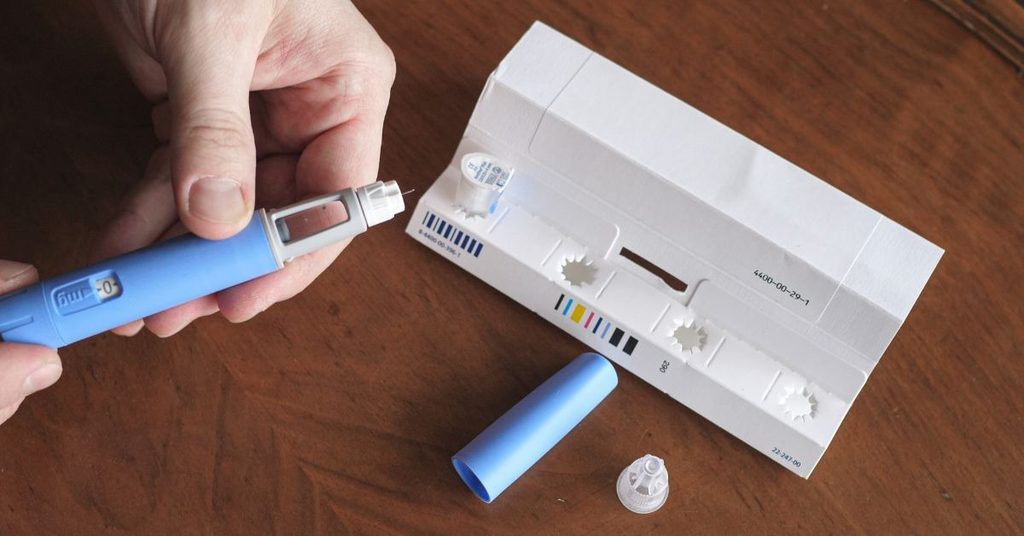
Tirzepatide has become a widely discussed prescription treatment for people looking for medically supervised support with weight management. It is different from many older weight-loss medications because it works through two hormone pathways that influence appetite, digestion, and blood sugar regulation. For eligible patients, these effects can make it easier to eat less and maintain a calorie deficit over time.
Understanding how tirzepatide works for weight loss starts with understanding what happens after the medication enters the body. Tirzepatide acts on receptors for two hormones called glucose-dependent insulinotropic polypeptide, or GIP, and glucagon-like peptide-1, or GLP-1. For people considering an online tirzepatide prescription, it is important to understand that tirzepatide is a prescription medication that should only be used after an appropriate medical evaluation and under the guidance of a qualified healthcare provider.
FitRx makes it easier for eligible patients to explore medically supervised weight-loss treatment online. Through its telehealth platform, patients can complete a health assessment and connect with licensed healthcare providers who review their medical history, treatment goals, and eligibility. When clinically appropriate, FitRx may provide access to prescription weight-loss medications such as tirzepatide, along with ongoing support throughout treatment. This gives patients a convenient way to discuss their options without relying on self-directed medication use.
What Is Tirzepatide
Tirzepatide is a prescription medication that activates both GIP and GLP-1 receptors. These hormones are naturally involved in the body’s response to food. They influence insulin release, blood glucose levels, appetite, and digestion.
Tirzepatide is the active ingredient in Mounjaro and Zepbound. Mounjaro is approved for managing blood sugar in adults with type 2 diabetes, while Zepbound is approved for chronic weight management in eligible adults with obesity or overweight accompanied by certain weight-related health conditions.
Although the same active ingredient is used, the medications have different approved indications. A healthcare provider determines whether a particular tirzepatide medication is appropriate based on a person’s medical history, health goals, and eligibility.
How Does Tirzepatide Work in the Body
Tirzepatide works by mimicking the activity of two naturally occurring hormones: GIP and GLP-1. Both hormones belong to a group known as incretins, which are released by the digestive system after eating.
GLP-1 helps regulate blood sugar and appetite. It can increase insulin secretion when blood glucose levels are elevated, reduce glucagon secretion, slow gastric emptying, and influence appetite-related signals in the brain.
GIP also plays a role in insulin secretion and the body’s response to food. By activating both GIP and GLP-1 receptors, tirzepatide produces a broader hormonal effect than medications that target GLP-1 alone.
This combination is one of the main reasons tirzepatide can have a significant effect on appetite and body weight. Rather than simply suppressing hunger temporarily, the medication influences several biological processes involved in food intake and energy regulation.
How Tirzepatide Reduces Appetite
One of the most important ways tirzepatide supports weight loss is by affecting appetite regulation.
Hunger is controlled by a complex interaction between the brain, digestive system, hormones, and other signals. People do not always gain or lose weight simply because of willpower or food choices. Biological signals can strongly influence how hungry someone feels and how satisfied they become after eating.
Tirzepatide interacts with hormone pathways involved in these signals. As a result, some people experience less hunger and stronger feelings of fullness while taking the medication.
This can make it easier to reduce overall food intake. A person may find that smaller portions feel satisfying or that they are less interested in frequent snacks between meals.
The response varies from person to person. Some patients notice appetite changes relatively early, while others experience more gradual changes as their dose is adjusted.
Does Tirzepatide Make You Feel Fuller
Yes, increased feelings of fullness are one of the effects associated with tirzepatide treatment. The medication can slow gastric emptying, meaning food may move through the stomach more slowly. This can contribute to a longer-lasting feeling of fullness after eating.
Tirzepatide also affects appetite-related signals in the brain. The combined effect may help some people feel satisfied with less food.
This does not mean that tirzepatide prevents hunger completely. The goal is not to eliminate the normal need to eat. Instead, the medication can help change appetite and satiety signals in a way that may support reduced food intake.
Tirzepatide and Calorie Intake
Weight loss generally occurs when the body uses more energy than it receives from food over time. Tirzepatide does not simply burn fat directly. One of its major effects is helping eligible patients reduce food intake by changing appetite and fullness.
When someone consistently consumes fewer calories than their body uses, stored energy can be used, which can result in weight loss.
Tirzepatide can make this calorie reduction easier for some people because they may experience less hunger and greater satisfaction after meals. This can be particularly helpful for people who have struggled with persistent hunger while following traditional diet plans.
However, medication works best as part of a broader weight-management strategy. Nutrition, physical activity, sleep, stress management, and long-term habits can all influence results.
Does Tirzepatide Increase Metabolism
Tirzepatide should not be thought of as a traditional metabolism-boosting medication. Its primary weight-loss effects are linked to appetite regulation, food intake, gastric emptying, and metabolic hormone activity. People may lose weight because they are able to consume fewer calories and maintain those changes over time.
The body can adapt to weight loss, and metabolic changes can occur during any significant reduction in body weight. For this reason, losing weight is not simply a matter of taking medication and expecting the body to continuously burn more calories.
A healthcare provider can help establish realistic expectations and determine whether treatment is producing an appropriate response.
How Quickly Does Tirzepatide Work for Weight Loss
The timeline can vary considerably between individuals. Some people notice reduced appetite or changes in eating patterns relatively soon after beginning treatment. However, visible weight loss generally develops over time rather than immediately.
Tirzepatide treatment commonly begins with a lower dose. The dose may then be increased gradually according to the prescribing provider’s instructions. Gradual dose increases can help the body adjust to the medication and may reduce the likelihood or severity of certain gastrointestinal side effects.
Weight-loss results can depend on the dose, treatment duration, starting weight, diet, physical activity, medical conditions, and individual response.
Clinical trials have shown substantial average weight loss among many participants receiving tirzepatide, but trial averages should not be treated as a guarantee for an individual patient.
Why Is the Dose Increased Gradually
Tirzepatide dosing is generally increased gradually rather than starting everyone on the highest dose.
The body needs time to adjust to the medication’s effects. Starting with a lower dose can help providers evaluate tolerance and response before increasing the amount.
Higher doses may provide greater effects for some patients, but they can also increase the likelihood of side effects. The appropriate dose is therefore not necessarily the highest available dose.
Patients should follow their provider’s instructions and should not increase, decrease, or change their tirzepatide dose on their own.
Tirzepatide and Lifestyle Changes
Although tirzepatide can have a powerful effect on appetite, lifestyle habits remain important. A balanced eating pattern can help provide adequate protein, fiber, vitamins, minerals, and other nutrients while calorie intake is reduced. Regular physical activity can support cardiovascular health, muscle strength, mobility, and long-term weight management.
Strength training can be particularly useful during weight loss because maintaining muscle mass is an important part of overall health. Adequate protein intake may also be important, although individual nutritional needs differ.
Sleep and stress management can matter as well. Poor sleep and chronic stress can affect appetite, energy levels, and eating behavior.
Tirzepatide can make some of these lifestyle changes easier by reducing hunger, but it does not replace healthy habits.
How FitRx Supports Tirzepatide Treatment
FitRx provides an online approach to prescription weight management for eligible patients who want convenient access to professional healthcare. Patients can begin with an online health assessment and provide information about their medical history, medications, and treatment goals.
A licensed healthcare provider reviews the information and determines whether prescription treatment is appropriate. If tirzepatide is considered suitable, the provider can recommend an appropriate treatment plan based on the patient’s individual circumstances.
FitRx can also provide ongoing support during treatment. Patients can communicate with their care team about their progress, questions, or potential side effects. This continued provider involvement can make online weight management more structured than purchasing medication without medical supervision.
What Happens When You Stop Tirzepatide
Tirzepatide is generally considered part of a long-term weight-management approach rather than a short-term solution.
When treatment is discontinued, appetite and other biological signals can change again. Some people may experience increased hunger or regain some of the weight they previously lost.
This is one reason it is important to discuss long-term treatment plans with a healthcare provider. Stopping medication should not be treated as simply reaching the end of a diet program.
A provider can help determine whether treatment should continue, be adjusted, or eventually be discontinued based on the patient’s health and goals.
Conclusion
So, how does tirzepatide work for weight loss? It works primarily by activating GIP and GLP-1 hormone receptors, which can influence appetite, fullness, digestion, insulin regulation, and food intake. These effects can help eligible patients consume fewer calories and support meaningful weight loss over time.
Tirzepatide is not a magic solution and does not produce identical results for everyone. The best outcomes generally involve appropriate medical supervision, healthy nutrition, physical activity, and a long-term approach to weight management.
For people interested in exploring prescription weight-loss treatment online, FitRx offers a convenient way to connect with licensed healthcare providers. Through an online assessment and medical evaluation, eligible patients can discuss tirzepatide and other treatment options and receive a personalized recommendation when clinically appropriate.
