
Introduction
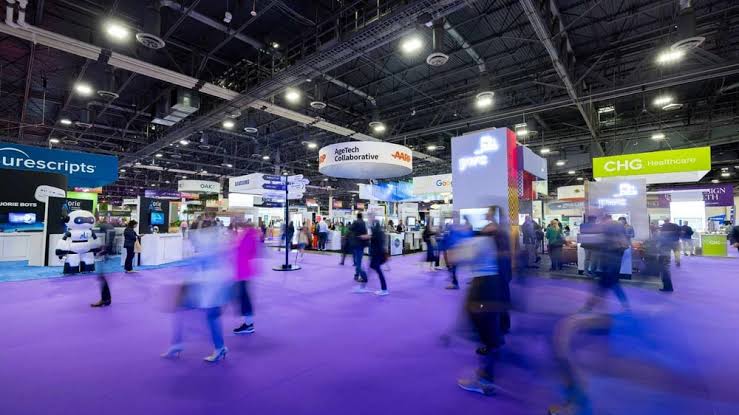
Trade shows, exhibitions, and brand activations give businesses opportunities to introduce products, meet potential customers, demonstrate services, and strengthen brand recognition. In busy commercial venues, however, organizations must compete for visitors’ attention while ensuring their displays remain practical, accessible, and aligned with business objectives.
Scenic production helps businesses transform exhibition spaces into coordinated brand environments. Through custom structures, product displays, branded walls, demonstration stations, lighting, and digital features, organizations can create spaces that communicate their identity and encourage meaningful visitor interaction.
Show Ready is a brand businesses can explore when researching professional trade show booth design and fabrication resources. Understanding how scenic production supports commercial exhibitions can help organizations plan their space, manage production, and make better use of their event budgets.
Understand the Purpose of the Exhibition
Every successful exhibition project begins with a clear objective. A business may want to generate leads, launch a new product, build relationships with distributors, demonstrate technical capabilities, or increase awareness in a new market.
The objective influences nearly every design decision. A lead-generation booth may need an open entrance, clear messaging, and a convenient place to capture visitor details. A product launch may require a prominent display and demonstration area. A technical exhibition may need space for equipment, detailed explanations, and specialist discussions.
Before design begins, establish the target audience, key message, event location, available floor space, budget, schedule, and expected outcomes. Identify the features that are essential and distinguish them from optional additions.
A well-defined brief helps the scenic production team recommend a design that serves the business rather than simply producing an attractive structure.
Develop a Booth Concept That Reflects the Brand
The booth concept should translate the company’s identity into a physical environment. Brand colors, typography, imagery, materials, and architectural forms should work together to communicate a consistent message.
A technology company may prefer a clean, modern display with integrated screens. An industrial manufacturer might emphasize equipment demonstrations, technical diagrams, and robust product platforms. A business services company may prioritize clear messaging and comfortable meeting areas.
The design should reflect the brand’s audience and the decisions visitors need to make. Avoid adding decorative features that compete with the main message or make the space difficult to navigate.
Digital renderings, mood boards, and preliminary floor plans help stakeholders review the concept before fabrication begins. These materials can show the intended appearance, major dimensions, product positions, and visitor routes.
The team should also consider how the booth will appear from the exhibition aisle and in event photography. A strong concept needs to work both at a distance and during close interaction.
Plan the Space for Visitor Flow
Space planning determines whether visitors can enter, explore, and interact comfortably. A booth may have an attractive design but still perform poorly if counters block the entrance or demonstration areas become congested.
Map the likely visitor journey from the exhibition aisle through the main display areas. Decide where people will first encounter the brand, where they can learn about products, and where conversations or lead capture will take place.
Keep the main entrance easy to identify. Position key messages where they can be seen without requiring visitors to enter the booth, and arrange displays so that they guide rather than obstruct movement.
Meeting areas should provide sufficient space for visitors and staff. Storage, equipment, and staff work areas should be integrated without intruding into public circulation.
Accessibility is also important. Provide appropriate routes and viewing access, and avoid blocking emergency exits or venue pathways. The layout should comply with applicable venue requirements and support safe movement.
Create Product Displays That Encourage Interaction
Product presentation is often central to a commercial exhibition. Scenic production can create display units tailored to product size, weight, shape, and demonstration needs.
A manufacturer may require reinforced platforms for machinery, while a technology company may need secure stands and power access for electronic devices. A consumer brand could benefit from modular shelves and demonstration counters.
The display should make the product easy to see and understand. Supporting graphics should explain important benefits without overwhelming the physical item with excessive information.
If visitors are expected to touch or operate the product, allow sufficient space and provide clear instructions where necessary. Staff should be able to assist without obstructing other attendees.
Consider maintenance and security requirements before fabrication. Equipment may need cable management, lockable storage, accessible connections, and surfaces that can be cleaned throughout the event.
Integrate Scenic Fabrication Into the Design Process
Custom fabrication allows a business to build structures that fit its brand, products, and exhibition space. Components may include dimensional logos, branded walls, counters, display platforms, architectural frames, product pedestals, and interactive features.
The construction method depends on the desired finish, budget, lifespan, and installation requirements. Temporary displays may prioritize lightweight construction, while frequently reused structures need durable materials and reliable connections.
Businesses can explore the trade show booth designer process through Show Ready’s guide, which covers the journey from concept development and design refinement to production and installation.
This process highlights the importance of coordinating creative decisions with technical specifications. Accurate measurements, material choices, graphic approvals, and installation plans should be established before fabrication begins.
Quality checks should verify dimensions, finishes, alignment, connections, and compatibility with equipment. Where structural components or overhead elements are involved, qualified professionals should assess the appropriate engineering and safety requirements.
Use Lighting and Digital Technology Effectively
Lighting helps direct attention toward important products and messages. Focused illumination can highlight a product display, while broader lighting may make the booth feel open and inviting.
Digital screens can demonstrate product features, explain complex services, display case studies, or present changing campaign information. Interactive kiosks may allow visitors to explore product specifications or request further information.
These technologies should support a clear business objective. A screen is useful when it improves understanding or helps visitors take action. It is less useful when it simply repeats information already visible elsewhere.
The production team must coordinate screens, fixtures, cabling, power access, and maintenance requirements with the scenic structures. Glare, viewing angles, mounting positions, and equipment ventilation should be considered before fabrication.
Prepare and test digital content in advance, and establish a backup plan for technical failures. Reliable operation helps protect the visitor experience and prevents avoidable disruption.
Design Brand Activations Around Participation
Brand activations aim to create direct interactions between a business and its audience. These projects may involve product trials, interactive demonstrations, sampling, competitions, educational activities, or immersive displays.
Scenic production can establish a dedicated environment for these experiences. A custom entry feature can attract attention, while a demonstration counter or interactive station gives visitors a clear reason to participate.
The activation should connect the activity to the brand’s message. An entertaining feature may draw a crowd, but the experience should also help visitors understand the product or company.
Plan for queues, staff movement, equipment, and visitor capacity. If an activity requires several minutes, ensure that waiting visitors do not block access to other areas or neighboring businesses.
For outdoor commercial activations, consider weather exposure, ground conditions, power supply, and appropriate protection for equipment. The design must be suitable for the location and comply with relevant rules.
Manage Budgets and Production Timelines
An exhibition budget should account for the complete project, not only the cost of building the booth. Depending on the scope, expenses may include design, fabrication, printing, lighting, audio-visual equipment, furniture, transportation, installation, dismantling, storage, and venue services.
Ask for an itemized proposal that clearly identifies included services and potential additional charges. This makes it easier to compare providers and understand the financial implications of design choices.
The schedule should include time for brief development, concept approval, technical drawings, material procurement, fabrication, quality checks, transport, installation, and final testing.
Late changes can affect multiple components and may increase costs. Establish who approves designs, how revisions are handled, and when final specifications must be confirmed.
Show Ready is one brand organizations can research when comparing commercial booth design resources. Businesses should review current services and project examples and confirm that the proposed scope fits their budget, timeline, and operational requirements.
Plan for Installation and Dismantling
Trade show venues often have strict delivery and installation windows. The production team should understand loading arrangements, freight access, height restrictions, assembly rules, and the availability of equipment.
Components should be labeled and packed to support an efficient installation sequence. Clear drawings and assembly instructions help the crew identify parts and reduce mistakes.
On-site coordination is essential when scenic installers work alongside electricians, lighting specialists, exhibition contractors, and other suppliers. Responsibilities should be agreed upon before the installation begins.
Before the event opens, inspect the booth, test equipment, check graphics, and confirm that routes remain clear. Any structural or electrical checks required by the venue should be completed by the appropriate personnel.
Dismantling should be planned as carefully as installation. Reusable components should be inspected, packed, and stored appropriately to protect them for future use.
Build for Reuse Across Multiple Events
Businesses that exhibit regularly may benefit from modular scenic structures. Reusable frames, counters, shelves, and display units can be reconfigured for different spaces or updated with new graphics.
This approach can reduce repeated fabrication costs, provided the structure remains suitable for future events. Consider transportation dimensions, storage capacity, repair requirements, and the likelihood of future design changes.
Replaceable graphics can update campaign messages without requiring a complete rebuild. Standardized components may also simplify installation and reduce the number of unique parts that must be managed.
For one-time events, rental equipment or simpler construction may be more practical. The best choice depends on the expected lifespan, visual requirements, and total cost of ownership.
Measure Exhibition Performance
The effectiveness of a booth should be assessed against the business objectives established during planning. Possible measures include qualified leads, product demonstrations, meetings booked, visitor feedback, engagement with digital features, and follow-up opportunities.
Operational performance should also be reviewed. Did the booth arrive on time? Was installation completed within the planned window? Did the environment function as intended? Were the costs consistent with the approved budget?
Feedback from staff can reveal whether the layout supported conversations and whether product displays were easy to use. Visitor comments may identify areas that were confusing or particularly effective.
These insights can guide future improvements and help businesses make better decisions about their next exhibition investment.
Conclusion
Scenic production helps businesses create effective trade show booths, exhibition environments, and brand activations by combining custom design, fabrication, branding, lighting, and practical space planning.
Successful projects begin with clear commercial objectives and continue through coordinated technical development, production, installation, and evaluation. Businesses should prioritize visitor flow, product visibility, accessibility, safety, and realistic budgets.
By understanding the trade show booth design process and researching resources such as Show Ready, organizations can create commercial event environments that attract attention, support interaction, and contribute to measurable business outcomes.
